Our Trajectory
Our journey began in 2015 with initiatives aimed at digital inclusion, media education, and strengthening citizen participation in communities and territories historically underrepresented in decision-making spaces.
Over the years, we expanded our work to areas such as culture, communication, journalism, digital rights, internet governance, combating disinformation, entrepreneurship, environment, and climate change, always valuing diversity, local knowledge, and collective building.
We also developed actions aimed at promoting human rights, racial and gender equity, accessibility, and social inclusion, contributing to the strengthening of rural communities, family farmers, indigenous peoples, quilombola communities, and other traditional peoples and communities, as well as youth, the elderly, people with disabilities, the black population, and the LGBTQIAPN+ population.
Our Essence
🌱 Mission
"To promote rights, strengthen communities, and expand opportunities through culture, education, communication, knowledge production, and digital technologies, contributing to the sustainable development of rural communities, indigenous peoples, quilombola communities, and other traditional peoples and communities."
🚀 Vision
"To be a reference in building initiatives that connect territories, knowledge, people, and technologies, strengthening social participation, inclusion, and sustainable development, especially alongside rural communities and traditional peoples and communities."
🤝 Values
Human Rights and Social Justice
We defend human dignity, equal rights, and the fight against social inequalities.
Valorization of Territories
We recognize the importance of the knowledge, cultures, and memories of rural communities and traditional peoples.
Education and Knowledge
We believe in knowledge as a tool for social transformation, autonomy, and the expansion of opportunities.
Communication and Participation
We promote access to information, dialogue, and the strengthening of citizenship.
Diversity and Inclusion
We work for racial and gender equity, accessibility, and the valorization of vulnerable groups.
Digital Rights and Innovation
We advocate for meaningful access to digital technologies and their ethical, responsible, and inclusive use.
Sustainability and Climate Justice
We promote initiatives aimed at environmental protection and building more resilient territories.
Transparency and Collective Building
We conduct our actions with ethics, responsibility, and a commitment to the public interest.
In 2026, after more than a decade of action, the initiative was formally constituted as the Connected Rural Northeast Institute (INERUC), strengthening its institutional capacity and expanding its reach.
We believe that knowledge, communication, culture, and participation are fundamental tools to strengthen communities, expand rights, and build fairer, more inclusive, and sustainable futures.
Collegiate Board

Alane Luma
VolunteerMember of the INERUC Collegiate Board. Holds a degree in Languages from UFRPE/UAST, a Master's in Languages from UFPE, and is a PhD candidate in Linguistics at Unicamp. Develops research in the areas of teaching, academic literacies, Artificial Intelligence, and digital inclusion.
Throughout her career, she has participated in initiatives focused on internet governance, including the Youth@ForumBr Program, the Leaders 2.0 Program by LACNIC, and the Brazilian Internet Steering Committee Forum.
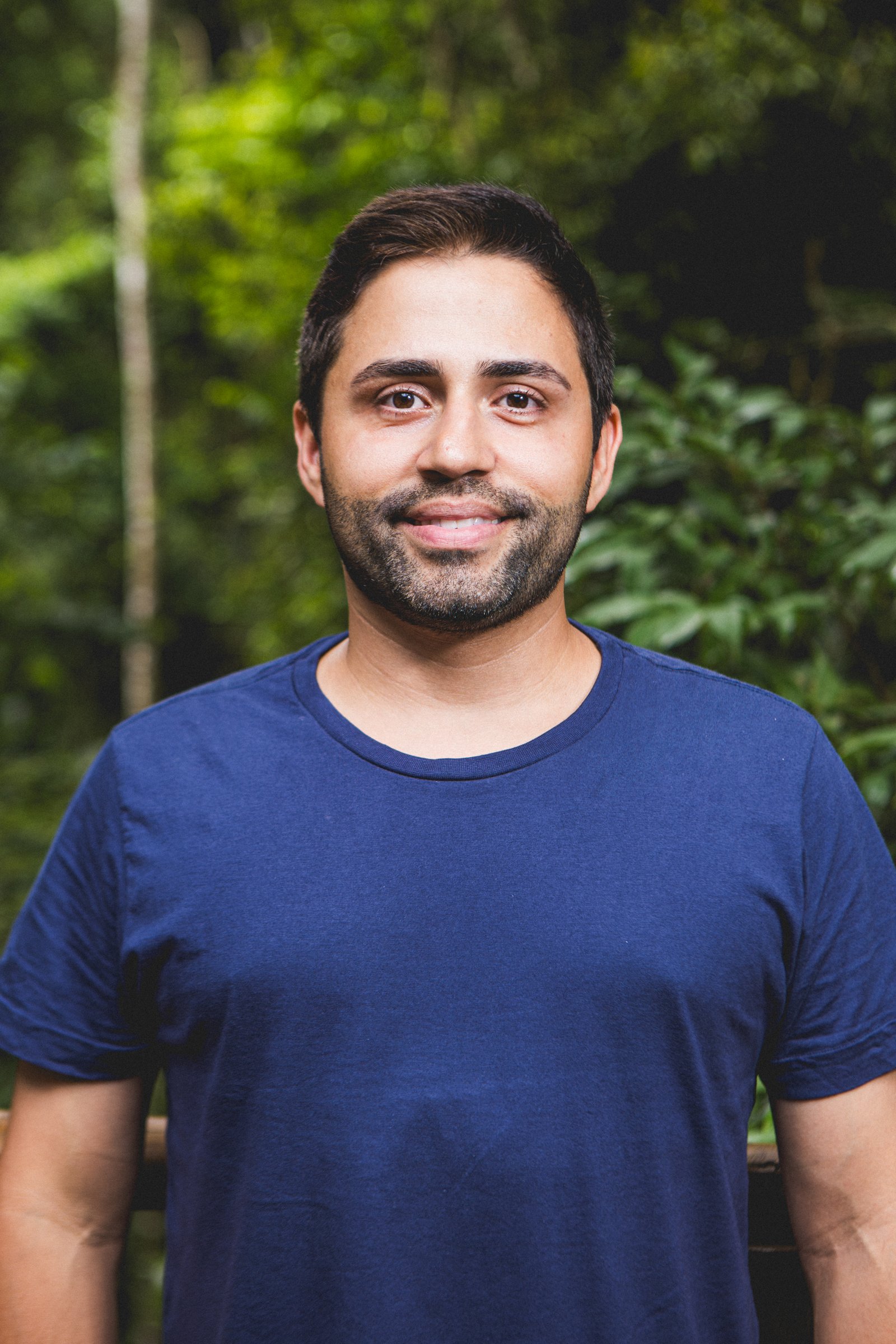
Anderson Santana
Volunteer | FounderFounder and member of the INERUC Collegiate Board. He is a PhD candidate in Communication Sciences at the University of São Paulo (USP), holds a Master's in Communication and Society from the Federal University of Tocantins (UFT), an MBA in Communication and Marketing, and a degree in Journalism from the Federal University of Paraíba (UFPB).
He works in the areas of communication, culture, internet governance, digital rights, inclusion, accessibility, and sustainable development. His research focuses on topics such as platformization, datafication, artificial intelligence, and independent web journalism, with an emphasis on the impacts of digital technologies on communication, knowledge production, and the social participation of rural communities, indigenous peoples, quilombola communities, and other traditional peoples and communities.
Throughout his career, he has participated in national and international initiatives, research, and spaces related to the internet, communication, and digital rights, in addition to collaborating with civil society organizations, academic institutions, international organizations, governments, companies, and media outlets in the Americas and Europe.